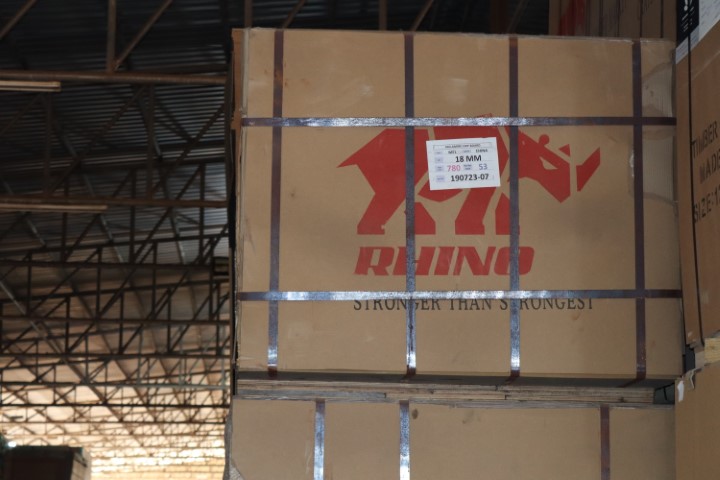
Hollow chipboard, also known as tubular chipboard or hollow core particleboard, is an engineered wood product made by compressing wood particles and resin into a lightweight board with a hollow, tubular core structure, typically formed by extruding or molding the material around a cellular framework. This construction makes it significantly lighter than solid chipboard or plywoods like Falcata, while maintaining adequate strength for non-structural applications.
Its specific uses include lightweight door cores for interior doors, where its low weight reduces hardware strain, as well as partition panels, exhibition displays, and lightweight furniture components like wardrobe backs or shelving where heavy load-bearing is not required.
Compared to solid chipboard or bendy plywood, hollow chipboard is less durable and not suitable for high-moisture environments or heavy-duty applications, but its cost-effectiveness and ease of handling make it a practical choice for budget-conscious projects.